Kicking off with UK Startup Mistakes Expats Should Avoid, this guide aims to help expats navigate common pitfalls and achieve success in their entrepreneurial journey. From legal challenges to financial hurdles, this comprehensive overview will equip expats with the knowledge needed to thrive in the UK startup scene.
Common Mistakes Made by UK Startup Expats: UK Startup Mistakes Expats Should Avoid

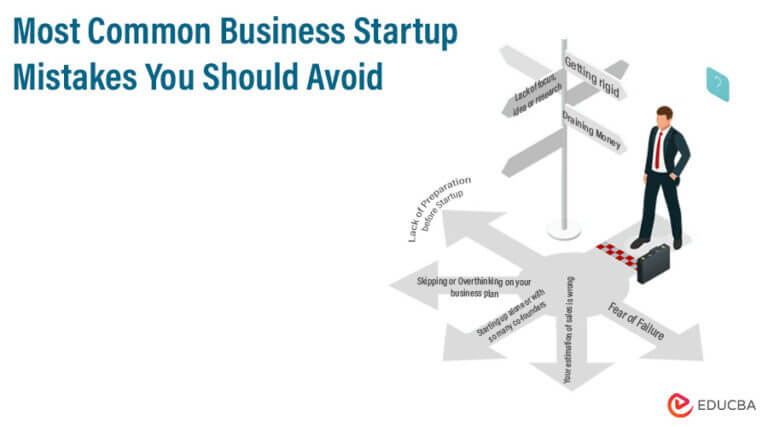
Starting a business in a new country can be challenging, especially for expats. Here are three common mistakes that expats often make when launching a startup in the UK, along with real-life examples of the negative consequences they can face.
1. Lack of Understanding of UK Business Culture
Expats may underestimate the importance of understanding the nuances of the UK business culture, which can lead to miscommunication and misunderstandings. For example, not following the proper etiquette in business meetings or negotiations could result in lost opportunities or damaged relationships.
2. Ignoring Legal and Tax Requirements
Many expats overlook the legal and tax obligations that come with starting a business in the UK. Failure to comply with regulations can result in fines, legal issues, or even the closure of the business. For instance, not registering the company with the appropriate authorities can lead to severe penalties.
3. Overlooking Market Research and Customer Understanding
Expats may assume that the market in the UK is similar to their home country, leading to a lack of thorough market research and understanding of local customer preferences. This can result in products or services that do not meet the needs of the target audience, leading to poor sales and brand reputation.
An example could be introducing a product without considering cultural differences or local trends.
Legal and Regulatory Pitfalls
Setting up a startup in the UK as an expat comes with its own set of legal and regulatory challenges that need to be navigated carefully to ensure compliance and success. Understanding the key differences between UK and international regulations is crucial for expats to avoid potential pitfalls that could hinder their business operations.
Key Differences in Regulations, UK Startup Mistakes Expats Should Avoid
Expats setting up a startup in the UK may encounter differences in regulations compared to their home countries. It is essential to be aware of the following key areas:
- Company Formation: The process of registering a company in the UK may vary from what expats are accustomed to in their home countries. Understanding the requirements and procedures for company formation is crucial to avoid any delays or legal issues.
- Taxation: The UK tax system differs from many other countries, and expats need to familiarize themselves with the UK tax laws to ensure compliance. This includes understanding VAT regulations, corporate tax rates, and personal tax obligations.
- Employment Laws: UK employment laws may differ significantly from those in other countries. Expats need to understand their obligations as employers, including employment contracts, minimum wage requirements, and employee rights.
Tips for Navigating Legal and Regulatory Hurdles
Navigating legal and regulatory hurdles can be daunting for expats setting up a startup in the UK. Here are some tips to help expats navigate these challenges effectively:
- Seek Professional Advice: Consulting with legal and financial experts who are familiar with UK regulations can provide valuable guidance and ensure compliance with the law.
- Stay Informed: Keeping up to date with changes in UK regulations and seeking information from reliable sources can help expats avoid costly mistakes.
- Build a Compliance Culture: Establishing a culture of compliance within the startup from the outset can help prevent legal issues and ensure smooth operations.
Cultural Considerations for Expats
Expanding a startup in a new country like the UK can be an exciting venture for expats, but navigating the cultural nuances is crucial for success. Understanding and adapting to the British business culture can greatly impact the way your startup is perceived and how well it integrates into the local market.
Adapting to British Business Culture
- Embrace the British communication style, which tends to be more indirect and polite. Avoid being too direct or aggressive in your approach.
- Respect hierarchy and traditional business etiquette, such as addressing people by their titles and using formal language in initial interactions.
- Take the time to understand British work ethics, including punctuality, professionalism, and the importance of work-life balance.
- Be prepared for the British sense of humor and willingness to engage in small talk before getting down to business.
Building Relationships and Networking
- Networking is essential in the UK business community. Attend industry events, conferences, and meetups to connect with potential partners, investors, and clients.
- Join business associations and organizations to expand your network and gain insights into the local market.
- Focus on building trust and long-term relationships with your contacts. Personal connections are highly valued in the UK business environment.
- Consider working with a local mentor or advisor who can provide guidance on navigating the cultural landscape and business practices.
Financial Challenges and Solutions

Starting a business as an expat in the UK comes with its own set of financial challenges. From securing funding to managing finances and navigating tax obligations, there are several hurdles that expats need to overcome in order to establish a successful startup.
Here, we will discuss some key financial challenges expats may encounter and provide advice on how to address them effectively.
Securing Funding
Securing funding is often one of the biggest challenges for expat startups in the UK. Expats may face difficulties in accessing traditional funding sources due to factors such as limited credit history or lack of collateral. In such cases, expats can explore alternative funding options like angel investors, venture capital, crowdfunding, or government grants.
It is important for expats to have a solid business plan and pitch to attract potential investors and secure the necessary funding for their startup.
Managing Finances
Managing finances effectively is crucial for the success of any startup. Expats need to create a detailed budget, track expenses, and monitor cash flow regularly to ensure their business remains financially healthy. Utilizing accounting software and hiring a professional accountant can help expats stay on top of their finances and make informed financial decisions.
It is also important for expats to separate their personal and business finances to maintain clarity and avoid any financial mishaps.
Navigating Tax Obligations
Navigating tax obligations can be complex for expat startups in the UK. Expats need to understand their tax responsibilities, including VAT, income tax, and corporate tax, to avoid any penalties or legal issues. Seeking the advice of a tax consultant or accountant can help expats comply with UK tax laws and optimize their tax strategy for their business.
It is essential for expats to stay updated on any changes in tax regulations and deadlines to ensure full compliance and avoid any financial setbacks.
Resources for Financial Assistance
There are various resources available to help expats overcome financial hurdles in their startup journey. Expats can seek guidance from business support organizations, financial advisors, or chambers of commerce for assistance with funding opportunities, financial planning, and tax compliance. Additionally, online platforms and networking events can connect expats with potential investors, mentors, and other entrepreneurs who can provide valuable insights and support in navigating the financial aspects of their startup.
Concluding Remarks
In conclusion, by steering clear of the mistakes highlighted in this guide, expats can position themselves for a successful startup venture in the UK. Armed with cultural insights, legal knowledge, and financial strategies, expats can confidently navigate the challenges and opportunities that come their way.
Questions Often Asked
What are some common mistakes made by UK startup expats?
Some common mistakes include underestimating cultural differences, neglecting legal requirements, and mismanaging finances.
How can expats navigate legal and regulatory challenges in the UK?
Expats can seek legal guidance, stay informed about UK regulations, and ensure compliance with local laws.
What financial challenges might expats face when starting a business in the UK?
Financial challenges may include securing funding, managing cash flow, and understanding tax obligations in the UK.
