With UK Import and Export Business Guide for Expats at the forefront, embark on a journey through the intricate world of international trade, where cultural nuances meet business acumen in a harmonious dance of commerce and connection.
Discover the essentials of setting up and thriving in the import/export industry as an expat in the UK, unraveling the tapestry of regulations, logistics, market dynamics, and interpersonal etiquette that shape this unique landscape.
Overview of UK Import and Export Business Guide for Expats
Understanding import and export regulations in the UK is crucial for expats looking to engage in international trade. These regulations govern the movement of goods in and out of the country, ensuring compliance with legal requirements and promoting fair trade practices.
Key Differences Expats Should Be Aware Of
- Customs Duties: Expats need to be aware of the customs duties and tariffs applicable to imported goods in the UK, which can vary depending on the type of product and country of origin.
- Documentation Requirements: Different documentation, such as import licenses, permits, and certificates of origin, may be needed for importing goods into the UK compared to other countries.
- VAT and Taxes: Understanding the value-added tax (VAT) and other taxes applicable to imported goods is essential for expats to calculate the overall cost of importing products into the UK.
Benefits of Setting Up an Import/Export Business as an Expat in the UK
- Access to Global Markets: The UK’s strategic location and strong trade ties provide expats with opportunities to access global markets and expand their business reach.
- Diverse Consumer Base: Expats can tap into the UK’s diverse consumer base, offering a wide range of products and services to meet varying demands.
- Business Support: The UK offers a supportive business environment with resources, networks, and incentives to help expats establish and grow their import/export businesses successfully.
Legal Requirements and Regulations
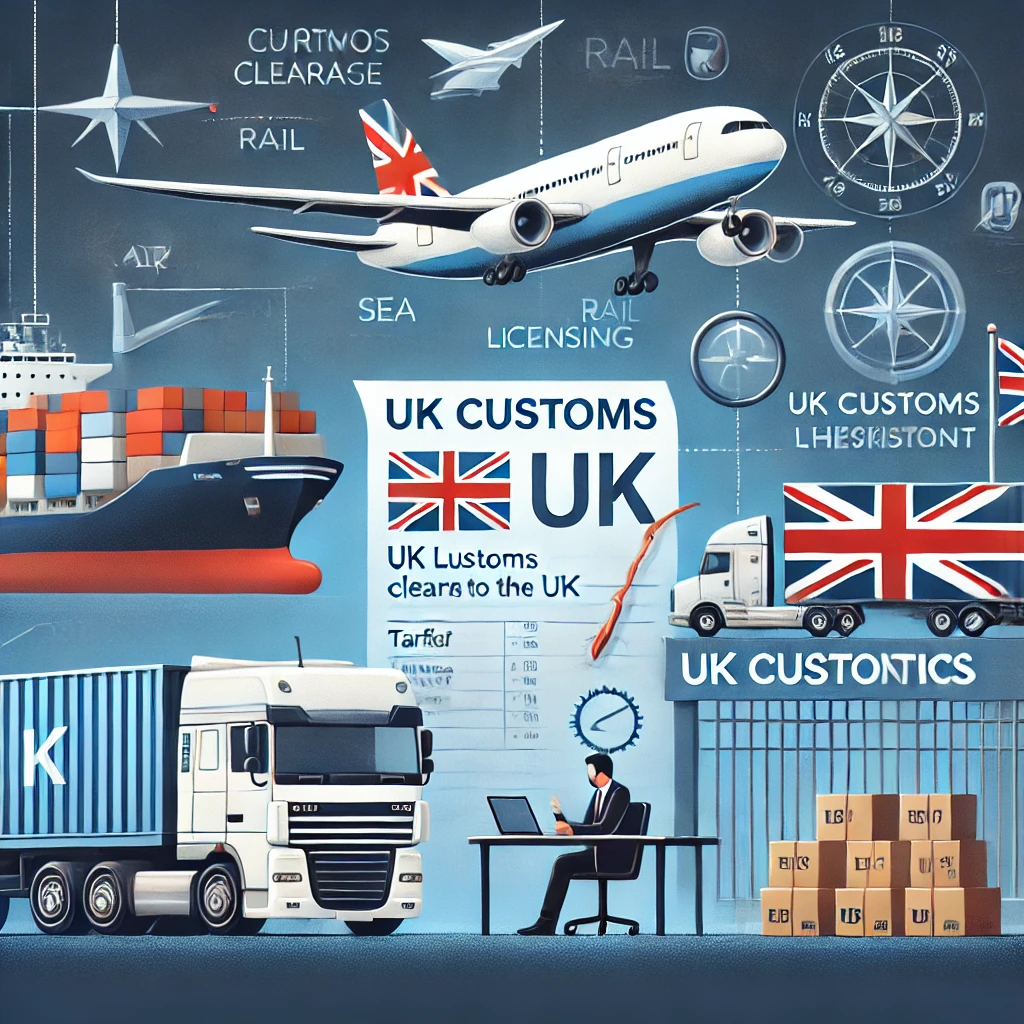
Starting an import/export business in the UK as an expat comes with legal requirements and regulations that must be adhered to. Understanding these rules is crucial to ensure compliance and smooth operations.
Legal Requirements for Expats
Expats looking to start an import/export business in the UK must first register their company with the Companies House. This process involves providing detailed information about the business structure, directors, and shareholders. Additionally, obtaining the necessary visas and work permits to legally operate in the country is essential.
Regulations on Importing and Exporting
The UK has strict regulations in place for importing and exporting goods, aimed at ensuring safety, security, and fair trade practices. This includes compliance with customs duties, taxes, and tariffs. Expats must also adhere to product-specific regulations and standards set by regulatory bodies such as the Department for International Trade.
Documentation for Customs Clearance
When importing or exporting goods in the UK, expats need to prepare and submit various documents for customs clearance. This includes commercial invoices, packing lists, certificates of origin, and shipping documents. Failure to provide accurate and complete documentation can result in delays and penalties.
Market Research and Analysis

Market research is a crucial step for expats looking to start an import/export business in the UK. It helps in understanding the market landscape, identifying potential opportunities, and making informed decisions. Without proper research, expats may risk entering a saturated market or offering products that do not cater to the local demand.
Identifying Potential Markets
- Utilize online resources, such as government databases, trade publications, and market research reports, to identify potential markets for your products in the UK.
- Attend trade shows, exhibitions, and industry events to network with potential partners and customers and gain insights into market trends.
- Engage with local chambers of commerce, industry associations, and business networks to gather information on market demand and competitor analysis.
Analyzing Market Trends and Consumer Behavior
- Monitor economic indicators, such as GDP growth, inflation rates, and consumer spending, to gauge the overall market health and potential opportunities for your business.
- Conduct surveys, focus groups, or interviews with potential customers to understand their preferences, buying behavior, and perception of your products.
- Utilize social media platforms, online forums, and customer reviews to track consumer sentiments, feedback, and emerging trends in the market.
Logistics and Shipping
When it comes to import and export business in the UK, understanding the logistics and shipping aspects is crucial for success. Efficient transportation of goods is essential to ensure timely delivery and cost-effectiveness.
Logistics Involved in Importing and Exporting
- Transportation Modes: Expats engaged in import/export business can utilize various transportation modes such as air, sea, road, or rail depending on the nature of the goods and the destination.
- Customs Clearance: Proper documentation and compliance with customs regulations are vital to avoid delays and penalties during the import/export process.
- Warehousing: Having strategically located warehouses can help in storing goods efficiently and facilitating quick distribution.
Different Shipping Methods
- Sea Freight: Ideal for bulky or large shipments, sea freight offers a cost-effective option for expats looking to transport goods internationally.
- Air Freight: When speed is essential, air freight is the preferred choice despite being more expensive compared to sea freight.
- Road and Rail Freight: These methods are suitable for transporting goods within the UK or neighboring countries, offering a reliable and efficient transportation solution.
Optimizing Shipping Processes, UK Import and Export Business Guide for Expats
- Consolidation: Combining multiple shipments into one can help reduce costs and improve efficiency during transportation.
- Use of Technology: Leveraging technology such as tracking systems and inventory management software can streamline shipping processes and enhance visibility.
- Negotiating Contracts: Establishing long-term relationships with shipping carriers and negotiating favorable terms can lead to cost savings in the long run.
Cultural Considerations and Business Etiquette
In the global business landscape, understanding cultural considerations and business etiquette is crucial for building successful relationships with partners and clients. When it comes to doing business in the UK as an expat, there are certain norms and practices that you should be aware of to navigate the business environment effectively.
Cultural Awareness
One of the key cultural considerations to keep in mind when doing business in the UK is the importance of politeness and formality. British business culture values professionalism, punctuality, and respect for hierarchy. It is essential to address your UK counterparts with their titles and last names until invited to use their first names.
Additionally, understanding British humor and communication style can help you build rapport with your UK partners. Sarcasm and irony are common in British communication, so being able to appreciate and respond accordingly can strengthen your relationships.
Business Etiquette
UK business etiquette places a strong emphasis on courtesy and manners. It is important to greet your UK counterparts with a firm handshake and maintain eye contact during conversations to demonstrate confidence and respect.
When it comes to meetings, punctuality is key. Arriving on time shows that you value your UK partners’ time and commitment to the business relationship. Furthermore, sending a follow-up email summarizing key points discussed in the meeting is considered good practice in the UK business culture.
Building Relationships
To build successful business relationships with UK partners and clients, it is essential to invest time in getting to know them on a personal level. Engaging in small talk before diving into business matters can help establish a connection and foster trust.
Moreover, maintaining regular communication and showing genuine interest in your UK counterparts’ well-being and success can go a long way in strengthening your business relationships. Sending personalized thank-you notes or gestures of appreciation can also help demonstrate your commitment to the partnership.
Conclusive Thoughts: UK Import And Export Business Guide For Expats

As we draw the curtains on this exploration of the UK Import and Export Business Guide for Expats, remember that success in this realm hinges on a delicate balance of legal compliance, strategic foresight, and cultural sensitivity. Embrace the challenges and opportunities that await, as you navigate the intricate pathways of international trade with confidence and grace.
Q&A
What are the key differences expats should be aware of when engaging in import and export business in the UK?
Expats should be mindful of the legal requirements, regulations, market dynamics, and cultural nuances unique to the UK business environment.
How can expats optimize shipping processes for their import/export business in the UK?
Expats can minimize costs and enhance efficiency by exploring different shipping methods, consolidating shipments, and leveraging technology for logistics management.
Why is understanding UK business etiquette important for expats in the import/export industry?
Understanding and respecting UK business etiquette is crucial for building trust, fostering relationships, and navigating the nuances of British business culture effectively.
