The Future of Expat Entrepreneurship in the UK: A Glimpse into Opportunities and Challenges

The Future of Expat Entrepreneurship in the UK unveils a landscape filled with both promise and hurdles, offering a unique insight into the world of expat entrepreneurs navigating the British business sphere.
As we delve deeper, we uncover the current scenario, legal considerations, support ecosystems, emerging trends, and the crucial aspects of cultural integration for expat entrepreneurs in the UK.
The Current Landscape of Expat Entrepreneurship in the UK
Expat entrepreneurship in the UK has been on the rise in recent years, with many individuals from around the world choosing to start businesses in the country. The UK’s diverse market, strong economy, and access to funding make it an attractive destination for expat entrepreneurs looking to establish their ventures.
Key Trends and Challenges
- Key Trends:
- Increasing number of expat entrepreneurs setting up businesses in tech, finance, and healthcare sectors.
- Rise of remote work and digital nomadism leading to more expats starting businesses in the UK.
- Growth of support networks and incubators specifically catering to expat entrepreneurs.
- Challenges Faced:
- Obtaining visas and work permits can be a complex and lengthy process for expat entrepreneurs.
- Navigating unfamiliar business regulations and tax laws in the UK.
- Accessing financing and investment opportunities as a foreign entrepreneur.
Opportunities in the UK vs Other Countries
While the UK offers a vibrant startup ecosystem and access to a diverse market, other countries also present unique opportunities for expat entrepreneurs:
- United States: Known for its large consumer market and access to venture capital, but can be competitive and costly.
- Singapore: Strategic location in Asia with a supportive business environment and access to funding, but high living costs.
- Germany: Strong economy and skilled workforce, with government support for startups, but language barriers for non-German speakers.
Legal and Regulatory Considerations for Expat Entrepreneurs in the UK
When considering establishing a business in the UK as an expat entrepreneur, there are several legal and regulatory requirements that need to be taken into account. These requirements can vary depending on the type of business and the residency status of the entrepreneur.
Legal Requirements for Expat Entrepreneurs in the UK
Expats looking to start a business in the UK need to register their company with Companies House, obtain the necessary permits and visas, and comply with UK employment laws. It is also essential to open a business bank account and ensure compliance with tax regulations.
Implications of Brexit on Expat Entrepreneurs in the UK
- Uncertainty: Brexit has brought about uncertainty, especially in terms of trade agreements and immigration laws, which can impact expat entrepreneurs.
- Visa Requirements: Expats may face changes in visa requirements for themselves and their employees, affecting their ability to operate in the UK.
- Currency Fluctuations: The fluctuation of the pound due to Brexit can impact the financial stability of expat entrepreneurs and their businesses.
Tax Implications for Expat Entrepreneurs in the UK
Expat entrepreneurs in the UK may be subject to different tax regulations compared to their home countries. It is crucial to understand the tax implications of operating a business in the UK, including corporate tax rates, VAT regulations, and personal income tax.
Support Ecosystem for Expat Entrepreneurs in the UK
The United Kingdom offers a robust support ecosystem for expat entrepreneurs, providing them with the necessary resources and networks to thrive in their business ventures. These support systems play a crucial role in aiding expat entrepreneurs in navigating the complexities of starting and running a business in a foreign country.
Government Initiatives for Expat Entrepreneurship
The UK government has implemented various initiatives to foster expat entrepreneurship in the country. One notable program is the Start-Up Visa, which allows international entrepreneurs to establish their businesses in the UK. Additionally, the Department for International Trade offers support and guidance to expat entrepreneurs looking to expand their businesses globally.
Collaborations between Expat Entrepreneurs and Local Businesses
Successful collaborations between expat entrepreneurs and local businesses in the UK have led to innovative partnerships and business growth. For example, many expat entrepreneurs have partnered with local suppliers to source high-quality materials or products for their businesses. These collaborations not only benefit the expat entrepreneurs but also contribute to the local economy and foster cross-cultural exchange.
Emerging Trends and Opportunities for Expat Entrepreneurs in the UK

In recent years, the UK has seen a shift towards emerging industries and sectors that present favorable opportunities for expat entrepreneurs looking to establish their businesses in the country. Technological advancements have played a crucial role in shaping the landscape of expat entrepreneurship in the UK, opening up new avenues for innovation and growth within the startup ecosystem.
Tech and Innovation Sector, The Future of Expat Entrepreneurship in the UK
The tech and innovation sector in the UK has been booming, offering expat entrepreneurs a wealth of opportunities to capitalize on. With a strong focus on artificial intelligence, cybersecurity, fintech, and biotech, expat entrepreneurs with expertise in these areas can leverage the UK’s advanced infrastructure and supportive regulatory environment to launch successful ventures.
The presence of renowned tech hubs like London’s Silicon Roundabout further enhances the prospects for expat entrepreneurs looking to tap into this sector.
Green Energy and Sustainability
As the world shifts towards sustainable practices, the UK has emerged as a leader in green energy and sustainability initiatives. Expat entrepreneurs with a focus on renewable energy, waste management, and eco-friendly products/services can find a conducive environment in the UK to scale their businesses.
The government’s commitment to reducing carbon emissions and promoting clean energy solutions presents expat entrepreneurs with ample opportunities to drive innovation in this sector.
HealthTech and Life Sciences
The healthcare and life sciences industry in the UK has witnessed significant growth, with a rising demand for innovative solutions in healthcare delivery, biopharmaceuticals, and medical technology. Expat entrepreneurs with a background in healthtech and life sciences can leverage the UK’s robust research and development infrastructure, as well as its world-class healthcare system, to bring cutting-edge products and services to market.
The convergence of technology and healthcare presents expat entrepreneurs with a fertile ground for disruptive innovation and growth.
E-commerce and Digital Marketing
The e-commerce and digital marketing sector in the UK continues to thrive, driven by changing consumer behaviors and increased online shopping trends. Expat entrepreneurs with a knack for digital innovation, data analytics, and customer experience optimization can capitalize on the growing e-commerce market in the UK.
The presence of established online platforms and a tech-savvy consumer base create a conducive environment for expat entrepreneurs to launch successful e-commerce ventures and digital marketing agencies.
Cultural Integration and Networking for Expat Entrepreneurs in the UK: The Future Of Expat Entrepreneurship In The UK
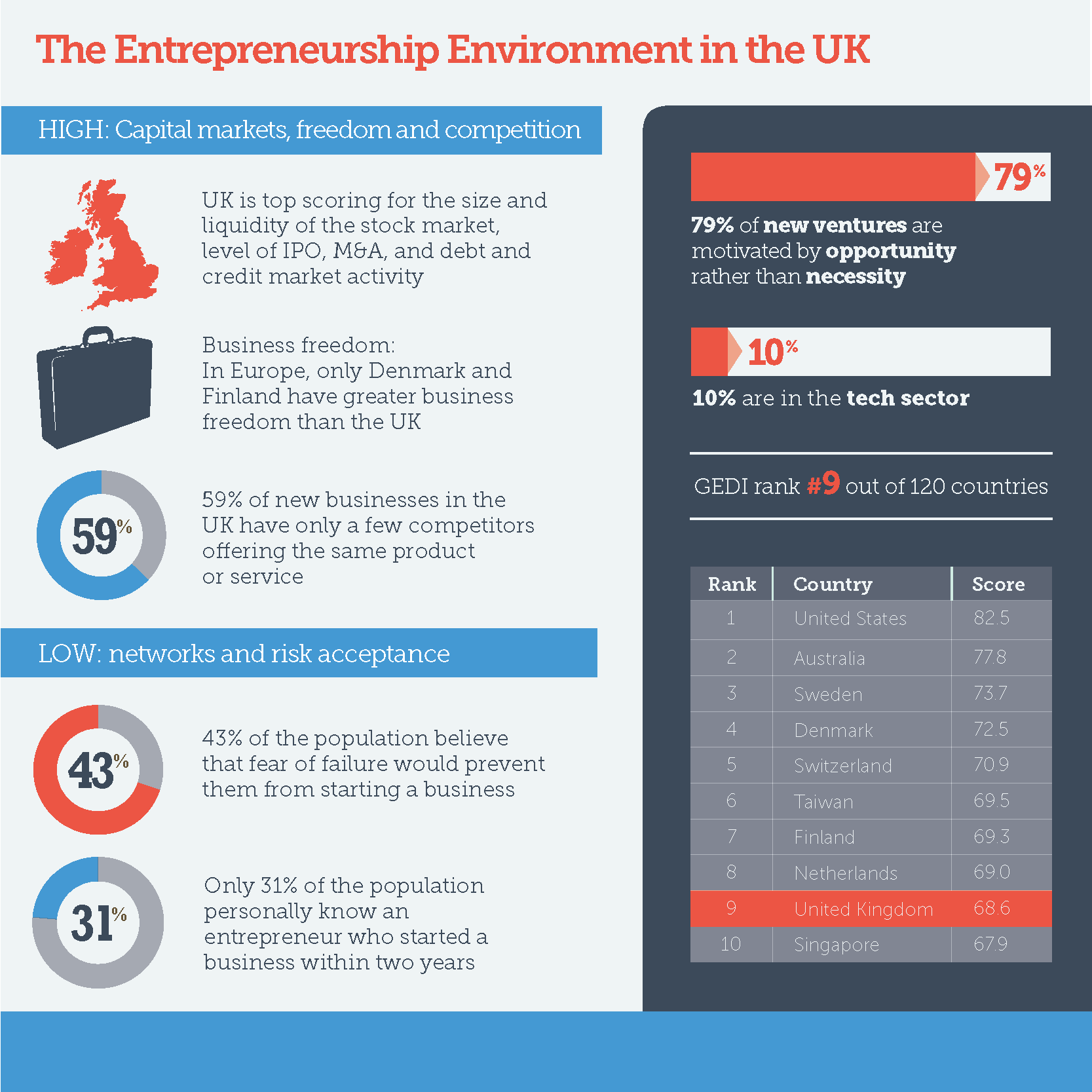
Expanding a business as an expat entrepreneur in the UK requires more than just a good product or service. Cultural integration and networking play a crucial role in establishing a successful venture in a new country. By understanding the UK business culture and building a strong professional network, expat entrepreneurs can navigate the market more effectively and increase their chances of success.
Strategies for Cultural Integration
- Immerse yourself in the local business community by attending networking events, conferences, and industry meetups.
- Seek mentorship from established UK entrepreneurs to gain insights into the business culture and market dynamics.
- Adapt your communication style to align with British norms, including being concise, polite, and respectful of hierarchy.
- Invest time in understanding British work ethics, such as punctuality, professionalism, and a focus on results.
Tips for Building a Strong Professional Network
- Utilize online platforms like LinkedIn to connect with professionals in your industry and participate in relevant discussions.
- Join industry associations, chambers of commerce, or business clubs to expand your network and access valuable resources.
- Attend networking events and seminars to meet potential partners, investors, and clients who can help grow your business.
- Offer to help others in your network to establish trust and credibility, which can lead to reciprocal opportunities in the future.
Importance of Cultural Awareness and Sensitivity
- Understanding cultural nuances can help avoid misunderstandings and build stronger relationships with local partners and customers.
- Cultural sensitivity can enhance your reputation as a respectful and inclusive entrepreneur, leading to better business opportunities.
- Adapting to the UK business culture shows a willingness to integrate and respect the traditions and values of the host country, fostering trust and collaboration.
- By embracing diversity and multiculturalism, expat entrepreneurs can leverage their unique perspective to innovate and differentiate themselves in the market.
Summary

In conclusion, The Future of Expat Entrepreneurship in the UK paints a vivid picture of a dynamic environment ripe with opportunities for growth and innovation, while also emphasizing the significance of adapting to cultural nuances and fostering strong networks for success.
Helpful Answers
What are the key trends in expat entrepreneurship in the UK?
Key trends include a growing presence of expat entrepreneurs in various industries and the rise of collaborative efforts with local businesses.
How does Brexit impact expat entrepreneurs in the UK?
Brexit has implications on regulatory frameworks and market access for expat entrepreneurs, requiring them to adapt to new policies and procedures.
What support networks are available for expat entrepreneurs in the UK?
There are various organizations and resources offering support, including government initiatives aimed at fostering expat entrepreneurship.