Starting a Business in the UK as an Expat: What You Need to Know – Essential Guidelines for Expats

Starting a Business in the UK as an Expat: What You Need to Know sets the stage for a thrilling journey into the world of entrepreneurship, offering valuable insights and practical advice for expats venturing into business in the UK.
This comprehensive guide covers legal requirements, visa and residency considerations, taxation issues, and business funding options, ensuring expats are well-equipped to navigate the complexities of starting a business in a new country.
Legal Requirements: Starting A Business In The UK As An Expat: What You Need To Know
Starting a business in the UK as an expat involves several legal steps and requirements that must be followed to ensure compliance with the law.
Registration Process
- Register your business with Companies House: All businesses in the UK must be registered with Companies House, which is the official registrar of companies. You will need to provide details such as the business name, address, and type of business structure.
- Obtain a Unique Taxpayer Reference (UTR): You will need to register for self-assessment with HM Revenue & Customs (HMRC) to receive a UTR, which is a unique number used to identify your business for tax purposes.
- Open a business bank account: It is essential to separate your personal and business finances by opening a dedicated business bank account.
Required Documents
- Proof of identity: As an expat, you will need to provide proof of your identity, such as a passport or residence permit.
- Proof of address: You will also need to provide proof of your UK address, which can be a utility bill or tenancy agreement.
- Business plan: A detailed business plan outlining your business goals, target market, and financial projections may be required for certain business structures.
Business Ownership Regulations, Starting a Business in the UK as an Expat: What You Need to Know
- Sole Proprietorship: As a sole proprietor, you will have full control and responsibility for your business. However, you will also be personally liable for any debts or legal issues.
- Partnership: In a partnership, two or more individuals share ownership of the business and are jointly responsible for its success and liabilities.
- Corporation: A corporation is a separate legal entity from its owners, providing limited liability protection. However, it involves more complex legal and tax requirements.
Visa and Residency

Starting a business in the UK as an expat involves navigating through visa and residency requirements. Understanding the visa options available and the residency criteria is crucial for expat entrepreneurs.
Visa Options for Expat Entrepreneurs
- Entrepreneur Visa: This visa is designed for individuals looking to set up or take over a business in the UK. It requires a minimum investment amount and the ability to demonstrate a viable business plan.
- Startup Visa: This visa is for aspiring entrepreneurs who want to establish a new business in the UK. It involves endorsement from an approved endorsing body and meeting specific criteria.
- Innovator Visa: This visa is suitable for experienced businesspeople seeking to establish a business in the UK based on an innovative, scalable, and viable idea. It requires endorsement from an endorsing body.
Residency Requirements for Expat Entrepreneurs
- Proof of Investment: Expats need to show evidence of the investment made in the UK business to meet residency requirements.
- Minimum Stay: Maintaining a minimum number of days spent in the UK per year is often a requirement for residency as an expat entrepreneur.
- Business Activity: Being actively involved in managing the business and contributing to the UK economy is essential for maintaining residency status.
Impact of Visa Type on Business Setup Process
- Processing Time: The type of visa chosen can impact the time it takes to set up the business, as some visas may have longer processing times than others.
- Investment Requirements: Different visas have varying minimum investment amounts, which can influence the financial aspect of starting a business in the UK.
- Endorsement Criteria: Meeting the specific criteria for endorsement under certain visa types, such as the Startup or Innovator visa, can affect the business setup process.
Brexit Implications on Visa and Residency for Expats
- Changes in Immigration Rules: Brexit has led to changes in the immigration rules for expats, impacting visa requirements and residency criteria.
- Uncertainty: The uncertainty surrounding Brexit negotiations and future agreements may affect the stability of visa and residency status for expats in the UK.
- Consulting Legal Experts: Due to the evolving nature of Brexit implications, seeking advice from legal experts specializing in immigration law is crucial for expat entrepreneurs.
Taxation
When starting a business in the UK as an expat, understanding the tax obligations is crucial to ensure compliance and avoid any penalties. Expats running a business in the UK are subject to various taxes, depending on the business structure chosen and their residency status.
Tax Obligations for Expats
- Expats running a business in the UK are required to pay income tax on their profits.
- They may also be liable for National Insurance contributions if they are considered a resident for tax purposes.
- Value Added Tax (VAT) registration may be mandatory depending on the turnover of the business.
Tax Implications Based on Business Structure
- Sole Trader:As a sole trader, expats are personally liable for income tax on their business profits.
- Limited Company:Expats running a limited company are subject to corporation tax on the company’s profits.
- Partnership:In a partnership, each partner is responsible for paying income tax on their share of the profits.
Double Taxation Treaties
Double taxation treaties are agreements between countries to prevent individuals from being taxed on the same income in both countries. Expats should be aware of the double taxation treaties between the UK and their home country to understand how it may affect their tax obligations.
Tax Planning Strategies
- Seek professional advice from a tax advisor or accountant to ensure compliance with UK tax laws.
- Consider tax-efficient business structures that minimize tax liabilities.
- Keep detailed records of income, expenses, and taxes paid to facilitate accurate tax reporting.
- Take advantage of tax reliefs and allowances available for expat entrepreneurs.
Business Funding

Starting a business in the UK as an expat requires careful consideration of available funding options. Securing adequate financing is crucial for the success of your venture. In this section, we will explore the various funding sources, eligibility criteria, challenges, and alternative methods for expat entrepreneurs in the UK.
Types of Funding Sources
- Bank Loans: Expats can apply for business loans from banks in the UK. Eligibility criteria often include a solid business plan, collateral, and a good credit history.
- Angel Investors: These are individuals who provide capital for start-ups in exchange for ownership equity. Expats may need to network and pitch their business idea to attract angel investors.
- Venture Capital: Venture capital firms invest in high-growth potential businesses. Expats seeking venture capital funding should have a scalable business model and a strong management team.
- Crowdfunding: Crowdfunding platforms allow expats to raise funds from a large number of investors online. Engaging marketing campaigns and a compelling story are essential for crowdfunding success.
Eligibility Criteria for Funding Sources
- Bank Loans: Stable income, collateral, good credit score
- Angel Investors: Solid business plan, potential for high returns
- Venture Capital: Scalable business model, strong management team
- Crowdfunding: Engaging marketing campaign, compelling story
Challenges in Securing Funding
- Lack of credit history in the UK
- Residency status affecting eligibility for certain funding sources
- High competition for funding from other businesses
- Uncertainty due to Brexit and economic fluctuations
Alternative Funding Methods
- Bootstrapping: Using personal savings or revenue from the business to fund operations
- Grants: Research and apply for grants offered by government agencies or private organizations
- Peer-to-Peer Lending: Borrowing from individuals through online platforms
- Accelerator Programs: Joining accelerator programs for funding, mentorship, and networking opportunities
Ending Remarks
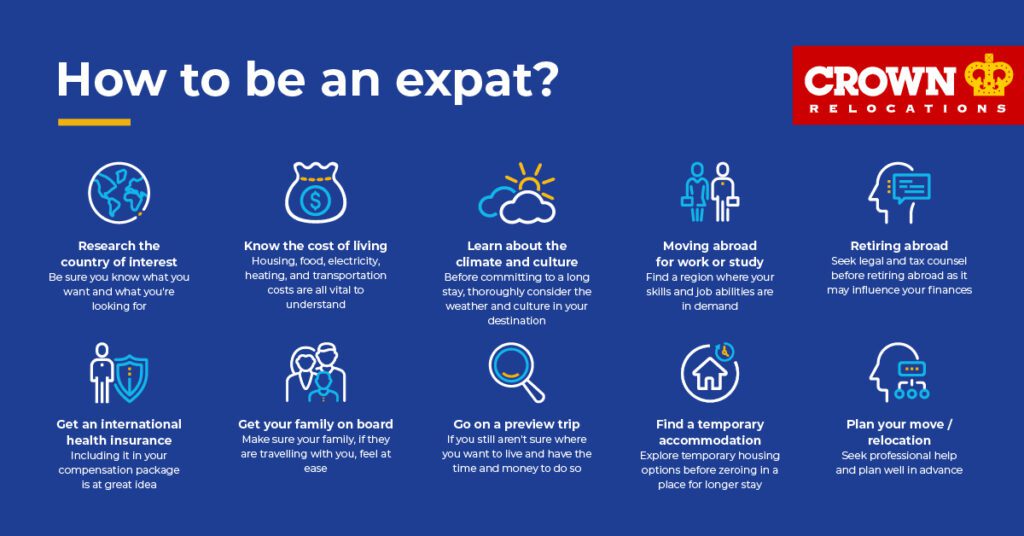
In conclusion, Starting a Business in the UK as an Expat: What You Need to Know serves as a beacon of knowledge for expats seeking to establish their entrepreneurial ventures in the UK, empowering them with the information and resources necessary for a successful business launch.
Frequently Asked Questions
What are the specific legal steps required for expats to start a business in the UK?
Expats need to register their business with the appropriate authorities, obtain necessary licenses, and comply with UK business regulations.
What visa options are available for expats looking to start a business in the UK?
Visa options include the Tier 1 Entrepreneur Visa, Tier 2 Visa with sponsorship, and the Startup Visa for innovative entrepreneurs.
How do tax obligations differ for expats running a business in the UK?
Expat entrepreneurs are subject to UK taxes based on their residency status and business structure, with potential implications from double taxation treaties.
What financing options can expats explore when starting a business in the UK?
Expat entrepreneurs can consider traditional bank loans, venture capital, angel investors, crowdfunding, or government grants for funding their businesses.