How to Register VAT for Your UK Business as an Expat opens the doors to a world of tax intricacies and regulations that expat business owners in the UK must navigate. From understanding the importance of VAT registration to completing the necessary forms, this guide will walk you through the process step by step.
Researching VAT Registration
Understanding VAT registration is crucial for businesses operating in the UK, as it involves collecting and remitting Value Added Tax to the government on taxable goods and services.
Importance of VAT Registration, How to Register VAT for Your UK Business as an Expat
VAT registration allows businesses to claim back VAT on their expenses, making their products or services more competitive in the market. It also enhances credibility and trust with customers, as registered businesses are perceived as more legitimate.
Eligibility Criteria for Expat Business Owners
- Expat business owners must register for VAT if their taxable turnover exceeds £85,000 in a 12-month period.
- If their turnover is below this threshold, registration is voluntary but can be beneficial for reclaiming VAT on business expenses.
- Expat businesses selling goods or services in the UK may also need to register for VAT, regardless of their turnover, if they meet certain criteria.
Overview of VAT Registration Process
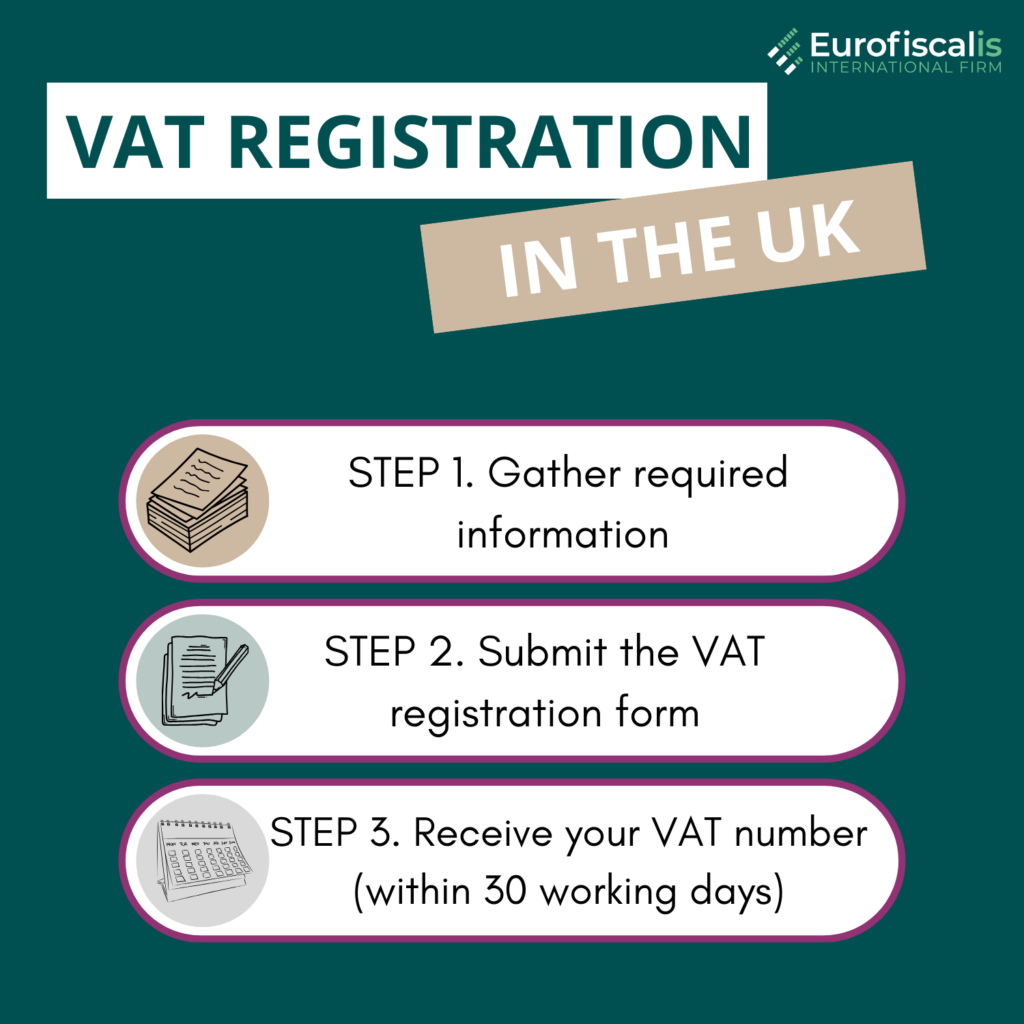
- Check eligibility: Determine if your business meets the criteria for VAT registration based on turnover and nature of operations.
- Submit application: Complete the online VAT registration form on the HM Revenue & Customs (HMRC) website with accurate information about your business.
- Receive VAT number: Once your application is processed and approved, you will receive a VAT registration number from HMRC.
- Start charging VAT: As a registered business, you must charge VAT on taxable goods and services, and submit VAT returns to HMRC on a regular basis.
Understanding VAT Rates and Thresholds

When it comes to VAT rates and thresholds in the UK, it is important for businesses to have a clear understanding of the different rates applicable and the significance of the VAT registration threshold.
Different VAT Rates in the UK
In the UK, there are three main VAT rates that apply to goods and services:
- The standard rate, which is currently set at 20% and is applicable to most goods and services.
- The reduced rate, which is set at 5% and applies to certain goods and services such as children’s car seats and home energy.
- The zero rate, which applies to specific goods and services such as most food items, children’s clothing, books, and newspapers.
VAT Registration Threshold and Significance
The VAT registration threshold is the turnover limit at which businesses are required to register for VAT. As of 2022, the threshold is £85,000. It is crucial for businesses to monitor their turnover and register for VAT once they exceed this threshold to avoid penalties.
Comparison of VAT Rates
It is important for businesses to understand the differences between the standard, reduced, and zero rates of VAT to ensure compliance with the law and accurate pricing of goods and services. The standard rate is the most common rate and applies to the majority of goods and services, while the reduced and zero rates are specific to certain items.
Gathering Required Documents: How To Register VAT For Your UK Business As An Expat
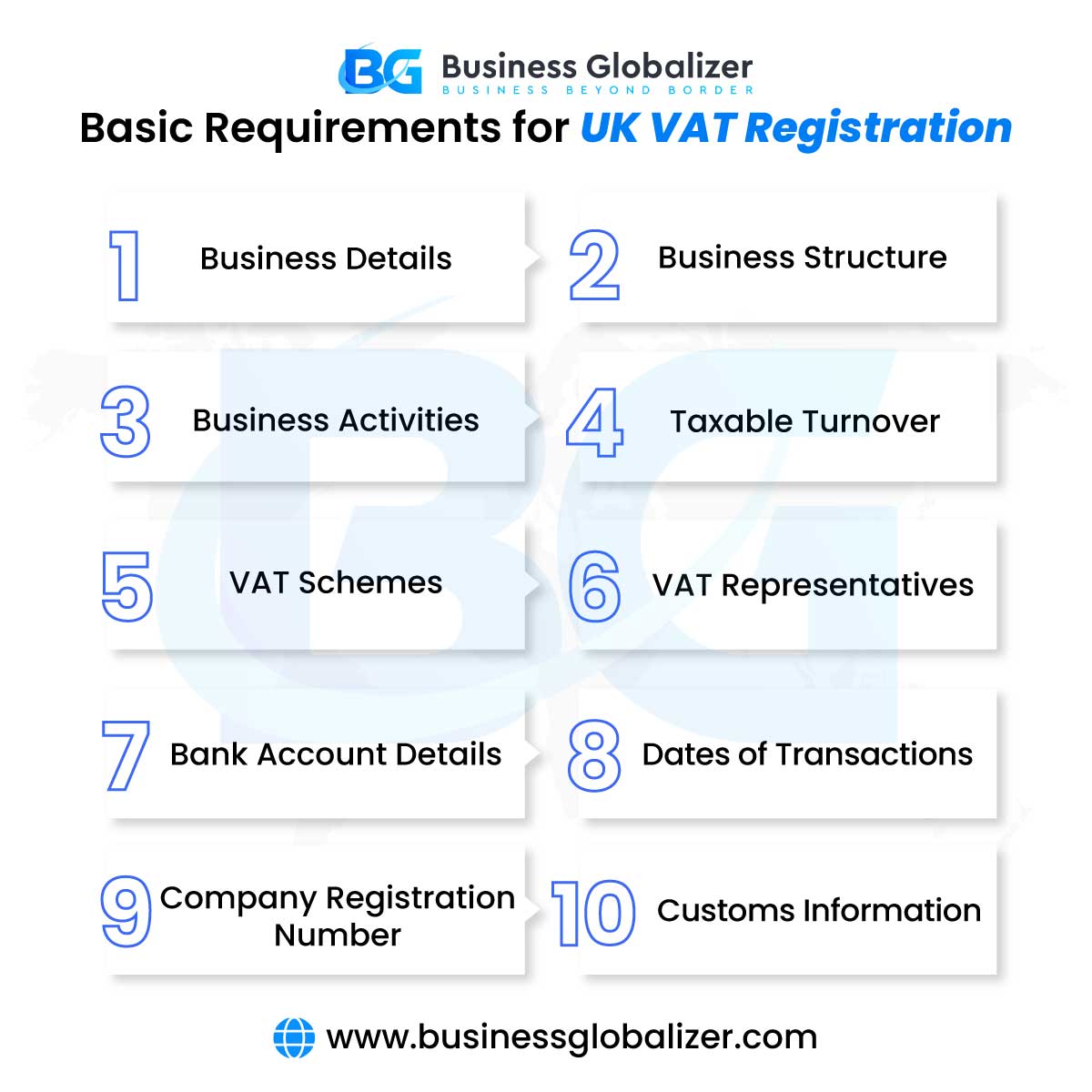
To successfully register for VAT as an expat business owner in the UK, you will need to gather specific documents to support your application. These documents are essential for proving your eligibility and ensuring compliance with VAT regulations.
Essential Documents for VAT Registration
- Proof of identity: This can include a passport or national identity card to verify your identity as an expat business owner.
- Proof of address: Provide a utility bill or lease agreement to confirm your place of residence in the UK.
- Company incorporation documents: If applicable, submit documents proving the legal existence of your business, such as the certificate of incorporation.
- Business bank account details: You will need to provide information about your business bank account, including the account number and sort code.
- Details of your business activities: Describe the nature of your business, the products or services you offer, and your expected turnover.
Obtaining and Organizing Documents
It is crucial to ensure that all your documents are up to date and accurately reflect your current business situation. Start by contacting relevant authorities or institutions to obtain any missing documents. Organize all paperwork neatly and keep copies for your records to streamline the VAT registration process.
Specific Requirements for Expats
- Proof of residency status: Expats may need to provide additional documentation to prove their residency status in the UK, such as a visa or residency permit.
- Confirmation of overseas business activities: If your business operates internationally, you may be required to provide details of your overseas activities to determine your VAT obligations.
Completing the VAT Registration Form
When completing the VAT registration form for your UK business as an expat, it is important to follow the necessary steps accurately to avoid any issues down the line. Here is a walk-through of the process and some tips to help you complete the form successfully.
Filling out the VAT Registration Form
To start, you will need to provide basic information about your business, such as the name, address, and contact details. Make sure all details are correct and up to date to avoid any delays in the registration process.
- Fill in your business’s turnover for the past 12 months. This is crucial as it will determine whether you need to register for VAT or not.
- Indicate the type of goods or services your business provides. Be specific and accurate to ensure that you are charged the correct VAT rates.
- Provide details of any other VAT registrations you may have, either in the UK or abroad. This will help streamline the process and avoid any duplicate registrations.
- Double-check all the information provided before submitting the form. Any errors or missing details could lead to delays or issues with your VAT registration.
Submitting the VAT Registration Form
Once you have completed the form, you can submit it online through the HMRC website or by post. Online submissions are typically faster and more convenient, but make sure to follow the instructions carefully to ensure a successful submission.
Tip: Keep a copy of the completed form for your records, along with any supporting documents you may have submitted.
Ensuring Accuracy and Completeness
To ensure that your VAT registration form is accurate and complete, take the time to review all the information provided before submitting. Double-check figures, business details, and any supporting documents to avoid any discrepancies that could impact your registration.
- Verify that all the information provided is correct and up to date.
- Cross-reference the figures on the form with your business records to ensure accuracy.
- Include any additional documents required, such as bank statements or incorporation certificates, to support your application.
- If you have any doubts or questions while completing the form, seek guidance from a tax advisor or HMRC to prevent any mistakes.
Understanding VAT Obligations
As an expat business registered for VAT in the UK, it is crucial to understand the various obligations that come with this registration. Failing to comply with these obligations can result in penalties and legal consequences.
Filing VAT Returns and Making Payments on Time
- It is essential to file VAT returns accurately and on time to HM Revenue and Customs (HMRC). Failure to do so can lead to fines and interest charges.
- Payments for VAT owed must also be made promptly to avoid penalties. Keeping track of VAT deadlines is crucial for compliance.
Exemptions and Special Considerations for Expat Businesses
- Some expat businesses may be eligible for special VAT schemes that simplify the process or reduce the administrative burden.
- Exemptions from VAT may apply to certain goods or services provided by expat businesses, but it is vital to understand the specific rules and conditions for exemption.
- Expat businesses should also be aware of any cross-border VAT implications and how they affect their operations in the UK.
Summary
In conclusion, registering for VAT as an expat business owner in the UK is a crucial step to ensure compliance with tax laws and regulations. By following the guidelines Artikeld in this comprehensive guide, you can streamline the registration process and focus on growing your business.
Common Queries
What are the eligibility criteria for VAT registration as an expat business owner in the UK?
Expat business owners in the UK need to register for VAT if their taxable turnover exceeds £85,000 in a 12-month period.
What documents are required for VAT registration as an expat in the UK?
Essential documents include proof of identity, business incorporation documents, and financial records.
How can I submit the VAT registration form?
The VAT registration form can be submitted online through the HMRC portal or by mail.
What are the VAT obligations for expat businesses in the UK?
Expat businesses must file VAT returns regularly, pay VAT on time, and comply with all tax obligations set by HMRC.
