How to Launch Your First Business in the UK as an Expat kicks off with a bang, diving into the essentials of starting a business overseas with flair and finesse.
Get ready to uncover the secrets of navigating the UK business landscape as an expat with confidence and style.
Researching the UK Market
Market research is a crucial step before launching a business in the UK as an expat. It helps you understand the demand for your product or service, identify competitors, and tailor your business strategy to the local market.
Key Factors to Consider
- Demographics: Study the age, income levels, and cultural backgrounds of your target customers in the UK.
- Competition: Analyze the existing businesses offering similar products or services in your industry.
- Legal Regulations: Familiarize yourself with the UK business laws and regulations that may affect your business operations.
- Consumer Behavior: Understand how British consumers make purchasing decisions and their preferences.
Cultural Differences Impact, How to Launch Your First Business in the UK as an Expat
Cultural differences can greatly impact market research strategies for expats in the UK. It is important to:
- Adapt Your Approach: Be aware of cultural nuances and adjust your marketing and sales strategies accordingly.
- Build Relationships: In the UK, building trust and relationships with customers is vital for business success.
- Understand Communication Styles: British people may have different communication styles, so it’s crucial to tailor your messaging appropriately.
Legal Requirements and Business Structure
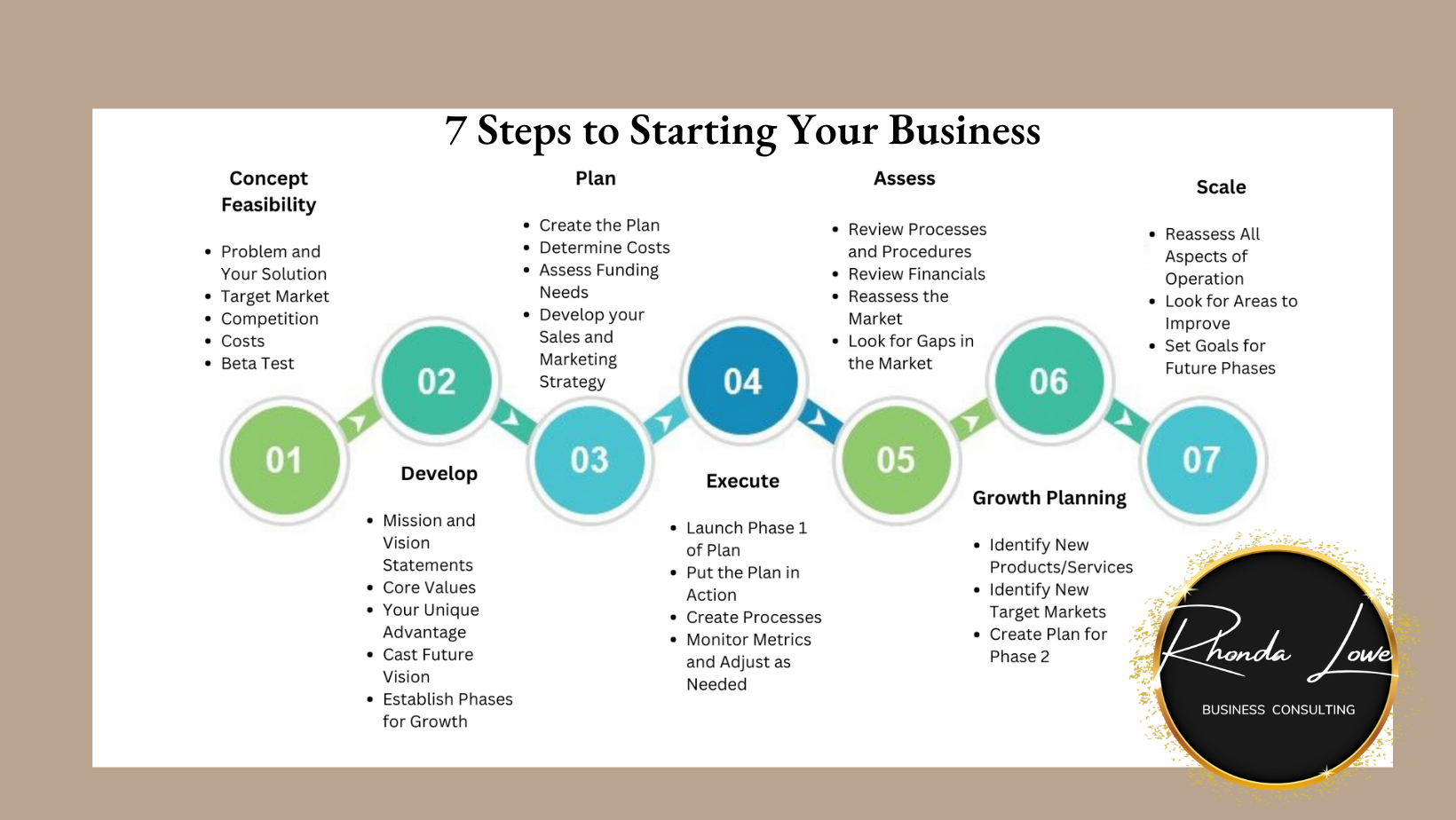
Starting a business in the UK as an expat involves complying with certain legal requirements and choosing the right business structure. Let’s explore the key aspects of this process.
Legal Requirements for Starting a Business in the UK
- Register your business: You need to register your business with the Companies House if you’re setting up a limited company. For other business structures, registration requirements may vary.
- Obtain necessary permits and licenses: Depending on the nature of your business, you may need specific permits or licenses to operate legally in the UK.
- Understand tax obligations: Familiarize yourself with the UK tax system and ensure you comply with tax regulations applicable to your business.
- Employment laws: Be aware of the employment laws in the UK, especially if you plan to hire employees for your business.
Business Structures Available to Expats in the UK
- Sole Trader: Operating as a sole trader is the simplest form of business structure, where you are personally responsible for your business’s debts.
- Limited Company: Setting up a limited company offers limited liability protection, meaning your personal assets are separate from your business assets.
- Partnership: In a partnership, two or more people share ownership of the business and are jointly liable for its debts.
Implications of Choosing a Business Structure on Taxes and Liabilities
- Tax considerations: Different business structures have varying tax implications. For example, limited companies are subject to corporation tax, while sole traders pay income tax on their profits.
- Liability protection: Opting for a limited company provides limited liability protection, safeguarding your personal assets in case of business debts or legal issues.
- Administrative requirements: Each business structure comes with its own set of administrative responsibilities, such as filing annual accounts and tax returns.
Registering Your Business

Starting a business in the UK as an expat involves a series of steps to ensure that your business is legally recognized and compliant with regulations. Here is a detailed guide on how to register your business in the UK.
Step-by-Step Process
- Choose a business structure: Decide on the legal structure of your business, whether it’s a sole trader, partnership, limited liability partnership, or limited company.
- Choose a business name: Select a unique name for your business that is not already in use.
- Register your business: Register your business with the appropriate authorities, such as Companies House for a limited company.
- Obtain necessary permits: Depending on the nature of your business, you may need specific permits or licenses to operate legally.
- Register for taxes: Register for taxes like VAT and corporation tax if applicable to your business.
Necessary Documents and Permits
- Proof of identity: Provide identification documents such as a passport or driver’s license.
- Proof of address: Submit documents like utility bills or bank statements to verify your business address.
- Business plan: Prepare a detailed business plan outlining your business goals, target market, and financial projections.
- Permits or licenses: Obtain any necessary permits or licenses required for your specific industry or business activities.
Regulations and Restrictions for Expats
- Residency requirements: As an expat, you may need to prove your residency status in the UK to register a business.
- Visa restrictions: Some visas may have restrictions on starting a business in the UK, so ensure you have the right to work as a self-employed individual.
- Tax considerations: Expats may have different tax obligations when running a business in the UK, so seek professional advice to understand your tax responsibilities.
Financial Planning and Funding: How To Launch Your First Business In The UK As An Expat
Financial planning is crucial for the success of any new business, as it helps in setting realistic goals, managing cash flow effectively, and ensuring the sustainability of the business in the long run. As an expat launching a business in the UK, understanding the financial aspects of your venture is essential to make informed decisions and avoid potential pitfalls.
Different Funding Options
- Personal Savings: Using your own savings to fund your business is a common option for expats. It gives you full control over your finances and eliminates the need to pay interest on loans.
- Bank Loans: Banks in the UK offer various loan options for small businesses, which can be a reliable source of funding. However, it’s important to have a solid business plan and collateral to secure a loan.
- Angel Investors: Angel investors are individuals who provide financial backing for small startups in exchange for equity ownership. They can offer valuable expertise and networks in addition to funding.
- Crowdfunding: Crowdfunding platforms allow you to raise funds from a large number of people online. It’s a great way to validate your business idea and generate buzz around your venture.
Managing Finances Effectively
- Track Your Expenses: Keep a close eye on your expenses and revenue to ensure that you are staying within budget and making a profit.
- Create a Financial Plan: Develop a detailed financial plan that Artikels your projected income, expenses, and cash flow for the coming months or years.
- Seek Professional Advice: Consider hiring an accountant or financial advisor to help you navigate the financial aspects of your business and ensure compliance with UK tax laws.
- Maintain a Cash Reserve: Set aside a portion of your revenue as a cash reserve to cover unexpected expenses or periods of low income.
Marketing Strategies
In order to effectively promote a new business in the UK, it is essential to have a strong marketing strategy in place. This involves identifying key tactics to reach your target audience, establish your brand, and drive sales.
Significance of Branding and Customer Targeting
Branding plays a crucial role in the UK market as it helps differentiate your business from competitors and creates a strong identity that resonates with customers. By developing a clear brand message and visual identity, you can build trust and loyalty among your target audience.
Customer targeting is equally important, as it allows you to tailor your marketing efforts to reach the right people with the right message at the right time.
- Invest in market research to understand your target audience’s preferences, behaviors, and needs.
- Create a strong brand identity that reflects your values, mission, and unique selling propositions.
- Use social media, content marketing, and strategies to reach and engage with your target customers.
- Personalize your marketing campaigns to speak directly to your audience and build relationships with them.
Examples of Successful Marketing Campaigns by Expat Entrepreneurs
Many expat entrepreneurs in the UK have successfully implemented innovative marketing campaigns to grow their businesses. For instance, a Spanish expat who opened a tapas restaurant in London used targeted social media ads to reach food enthusiasts in the city.
By showcasing authentic Spanish cuisine and creating a buzz around the restaurant’s unique offerings, they were able to attract a loyal customer base and generate word-of-mouth referrals.
- A French expat launched a fashion brand targeting eco-conscious consumers and used influencer partnerships to raise brand awareness.
- An Australian expat running a fitness studio leveraged local events and partnerships to promote their business and attract health-conscious customers.
- An American expat offering business consulting services used thought leadership content and networking events to position themselves as an expert in their field and attract high-value clients.
End of Discussion

As we wrap up our journey into launching a business in the UK as an expat, remember to stay innovative, resilient, and always ready to adapt to the ever-changing entrepreneurial environment.
Quick FAQs
What are the key factors to consider when researching the UK market as an expat?
Some key factors include understanding cultural nuances, local competition, and consumer behavior.
What are the legal requirements for expats starting a business in the UK?
Expats need to register their business, obtain necessary permits, and comply with tax regulations.
How can expats effectively manage finances during the initial stages of their business in the UK?
By creating a detailed financial plan, exploring different funding options, and monitoring expenses closely.
