Financial Planning for Expats Opening a Business in the UK sets the stage for expats venturing into the entrepreneurial landscape of the UK, offering crucial insights and strategies for a successful financial journey.
From legal and tax implications to setting up financial structures and managing currency exchange, this guide covers all aspects expats need to consider before diving into business ownership in the UK.
Overview of Financial Planning for Expats Opening a Business in the UK
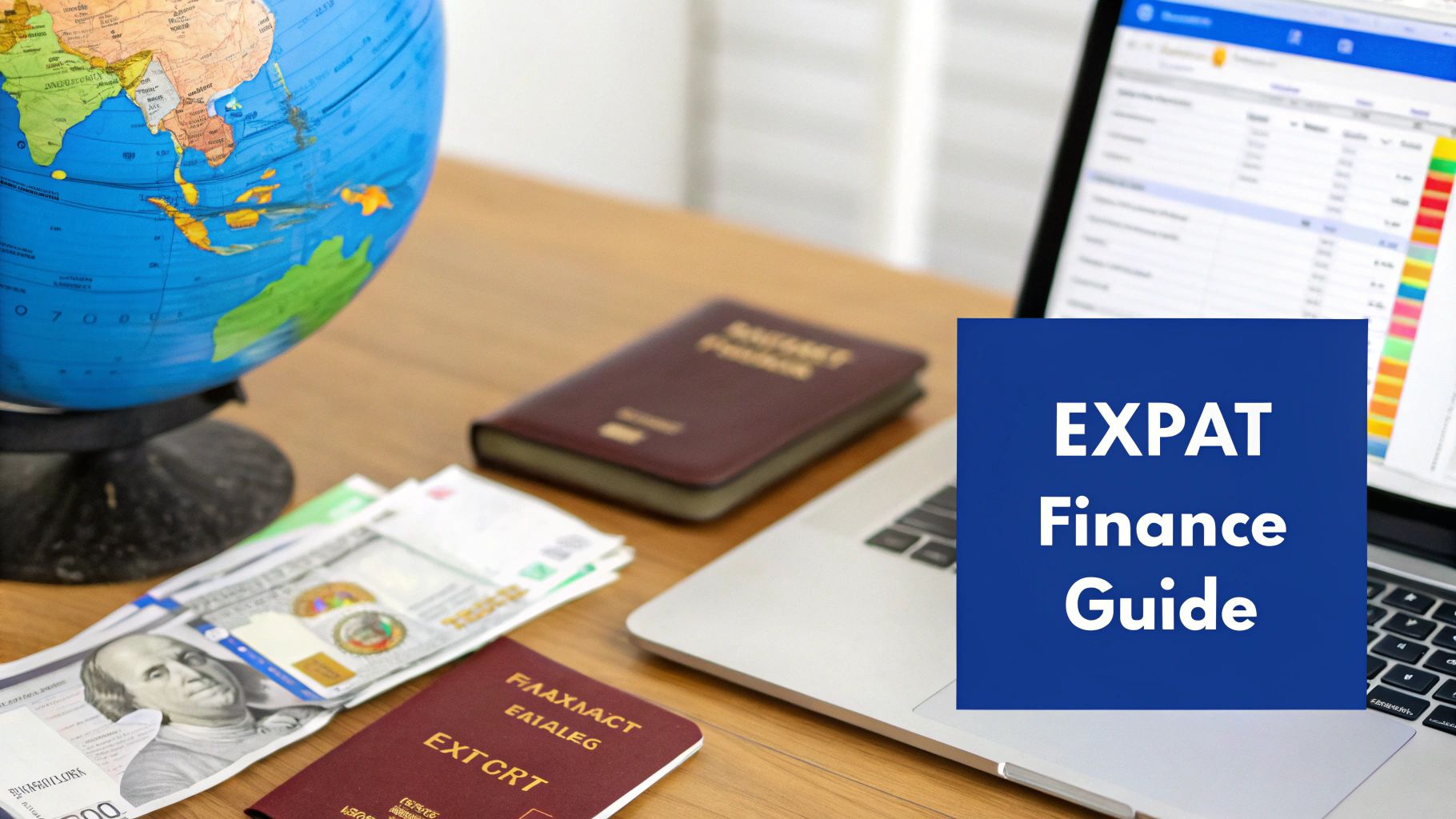
Financial planning is crucial for expats looking to start a business in the UK. It involves careful consideration of various factors to ensure the success and sustainability of the business venture. Let’s delve into the key aspects expats need to keep in mind when planning their finances for a business in the UK.
Key Considerations for Financial Planning
- Understanding the UK Tax System: Expats need to familiarize themselves with the UK tax laws and regulations to ensure compliance and optimize their tax obligations.
- Setting Up a Business Bank Account: Establishing a separate business bank account is essential for keeping personal and business finances separate, which is crucial for financial management and reporting.
- Budgeting and Cash Flow Management: Creating a detailed budget and monitoring cash flow are vital for managing expenses, identifying financial gaps, and ensuring the business stays afloat.
- Insurance and Risk Management: Obtaining the appropriate insurance coverage and implementing risk management strategies can protect the business from unforeseen events and liabilities.
Common Financial Challenges for Expats
- Exchange Rate Fluctuations: Expats may face challenges due to currency exchange rate fluctuations, impacting the cost of imports, exports, and repatriating profits.
- Visa and Immigration Costs: Navigating visa and immigration procedures can be costly for expats, affecting their initial investment and ongoing operational expenses.
- Compliance Costs: Meeting regulatory compliance requirements can be expensive, especially for expats unfamiliar with the UK business environment.
- Funding Constraints: Securing financing for the business can be challenging for expats, as they may have limited access to traditional funding sources in the UK.
Legal and Tax Implications

Opening a business in the UK as an expat comes with legal and tax implications that need to be carefully considered. Let’s delve into the key points you need to be aware of.
Legal Requirements for Expats, Financial Planning for Expats Opening a Business in the UK
When starting a business in the UK as an expat, there are several legal requirements to keep in mind. You will need to register your business with the appropriate authorities, such as Companies House, and comply with UK laws and regulations regarding business operations.
It’s essential to ensure that you have the right visas and permits to work and run a business in the UK legally.
Tax Implications for Expat Business Owners
As an expat opening a business in the UK, you will need to navigate the tax system carefully. Expats are usually subject to UK taxes on their worldwide income if they are considered UK tax residents. This means that you may need to pay taxes on your business profits, income, and capital gains in the UK.
It’s crucial to understand your tax obligations and seek advice from a tax professional to ensure compliance with UK tax laws.
Comparison with Local UK Residents
When it comes to tax obligations, expats running a business in the UK may face different rules compared to local UK residents. While both expats and UK residents are taxed on their income and business profits, expats may have additional considerations such as double taxation issues if they have income sourced from other countries.
Understanding these differences can help expat business owners effectively manage their tax liabilities and ensure compliance with UK tax laws.
Setting Up Financial Structures
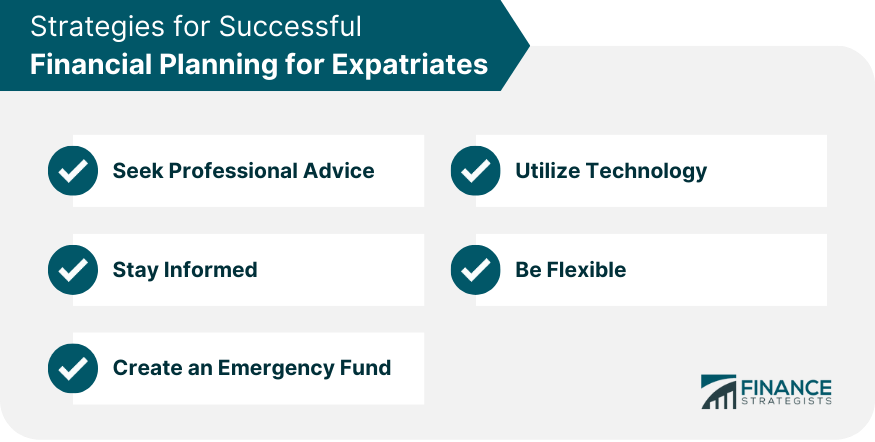
When it comes to setting up financial structures for your business as an expat in the UK, there are several options to consider. These structures can help you manage your finances effectively and ensure compliance with UK regulations.
Different Financial Structures
- Sole Trader: As a sole trader, you are self-employed and personally responsible for your business’s debts. This structure is simple and easy to set up, but you have unlimited liability.
- Limited Company: Setting up a limited company provides a separate legal entity for your business, limiting your personal liability. It involves more paperwork and compliance requirements but offers more protection.
- Partnership: If you are starting a business with others, a partnership structure allows you to share profits and losses. Each partner is personally liable for the business’s debts.
Setting Up a Business Bank Account
As an expat in the UK, opening a business bank account is essential for managing your finances effectively. Here’s a brief overview of the process:
- Choose a Bank: Research and select a bank that offers business accounts suitable for your needs.
- Gather Required Documents: Prepare documents such as proof of identity, proof of address, business registration documents, and any other required paperwork.
- Visit the Bank: Schedule an appointment with the chosen bank to open your business account. Be prepared to provide all necessary documents and information about your business.
- Set Up Online Banking: Once your account is open, set up online banking to easily manage your finances, make payments, and track transactions.
Tips for Managing Finances Effectively
- Keep Personal and Business Finances Separate: Avoid mixing personal and business finances to maintain clarity and simplify tax reporting.
- Track Expenses: Monitor your business expenses closely to identify areas where you can save money and improve profitability.
- Seek Professional Advice: Consider hiring an accountant or financial advisor to help you navigate UK tax laws and regulations effectively.
- Plan for Taxes: Understand your tax obligations as an expat business owner in the UK and set aside funds to cover tax liabilities.
Currency Exchange and International Payments
Currency exchange rates play a crucial role for expats conducting business in the UK. Fluctuations in exchange rates can directly impact the profitability of a business, making it essential for expat business owners to effectively manage their currency exposure.
Managing Currency Exchange Rates
International payments are a common occurrence for expat business owners in the UK. Here are some best practices to consider when managing currency exchange rates:
- Monitor Exchange Rates: Stay informed about the latest exchange rates to make strategic decisions on when to convert currencies.
- Use Forward Contracts: Consider using forward contracts to lock in exchange rates for future transactions, reducing the risk of currency fluctuations.
- Diversify Currency Holdings: Holding multiple currencies can help mitigate risks associated with fluctuations in a single currency.
Tools and Services for Currency Exchange and International Payments
There are various tools and services available to assist expats with currency exchange and international payments:
- Online Currency Exchange Platforms: Platforms like TransferWise, Revolut, and OFX offer competitive exchange rates and low fees for international transactions.
- Foreign Exchange Brokers: Working with a foreign exchange broker can provide personalized advice and access to better exchange rates for larger transactions.
- Multi-Currency Accounts: Opening a multi-currency account can simplify international payments and reduce currency conversion costs.
Last Word: Financial Planning For Expats Opening A Business In The UK
Navigate the complexities of financial planning effectively and embark on your business journey in the UK with confidence, armed with the knowledge and foresight gained from this comprehensive guide.
FAQ Corner
What are the key considerations expats must keep in mind when planning their finances for a business in the UK?
Expats should consider legal requirements, tax implications, and financial structures to ensure a solid financial foundation for their business.
How can expats effectively manage their finances within the UK business environment?
Expats can manage their finances effectively by setting up a business bank account, understanding currency exchange rates, and utilizing tools for international payments.
